
Project management & PMO
Industrial projects steered from scoping to start-up.
An industrial project brings together production, maintenance, quality, engineering and suppliers, each with their own priorities.
Without clear steering, deadlines slip and budgets follow. POMEX provides project managers and PMOs who know regulated sites. We work with production sites in Wallonia (Hainaut, Walloon Brabant, Namur, Liège), Brussels and northern France.
What we do
We take care of:
- project management: scoping, schedule, budget, risk tracking and reporting;
- setting up and running a PMO: governance, tools, follow-up routines;
- coordinating compliance, tool deployment or reorganisation projects;
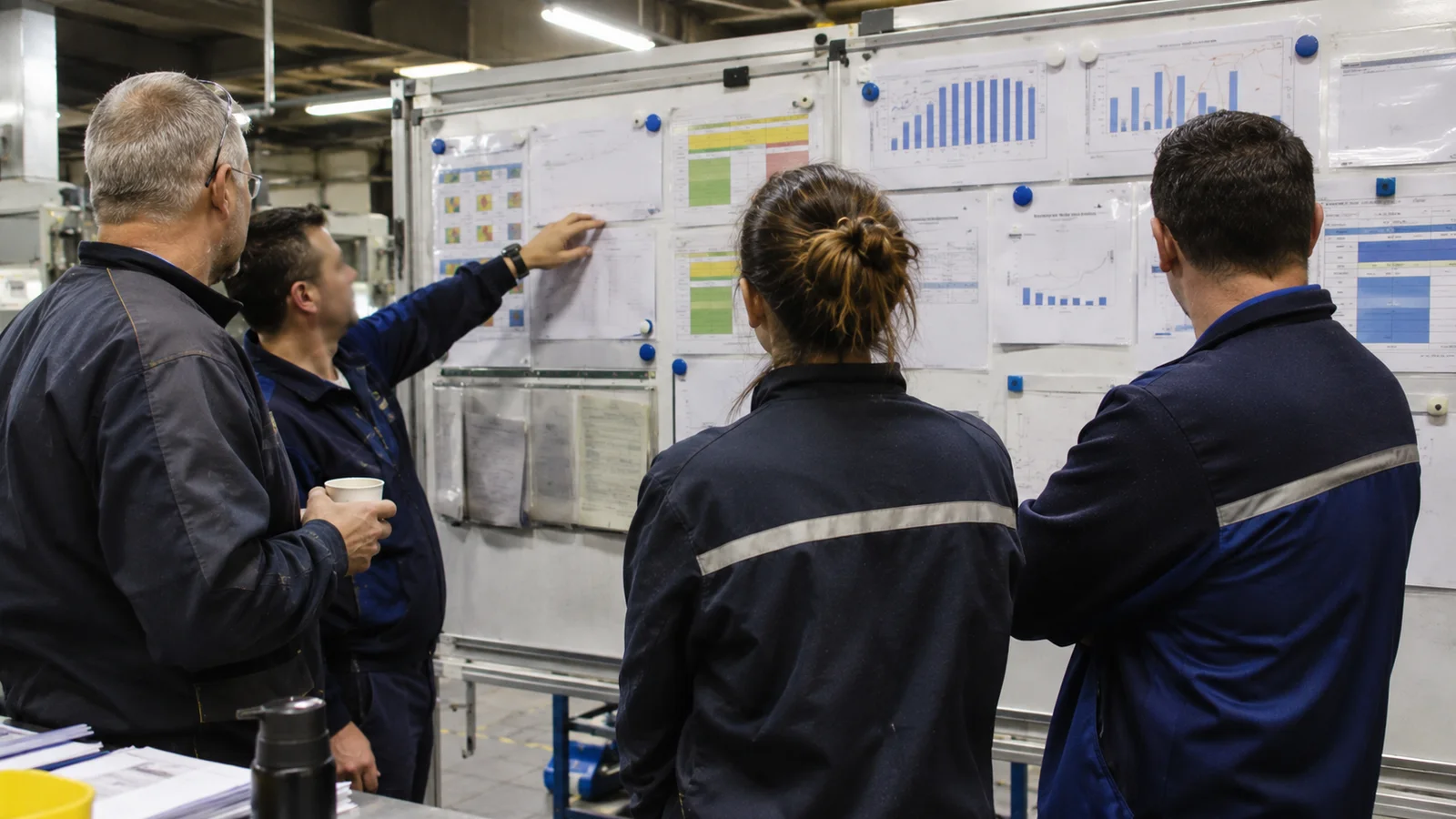
- visual management and team performance routines.
Our added value
Our project managers are trained in Lean Six Sigma and know the constraints of regulated sites. They move projects forward without losing sight of daily operations.
How we work
Depending on the size of the project:
- a dedicated project manager, accountable for deliverables;
- a PMO supporting an existing programme;
- start-up support to structure the project.

The expected result
Projects delivered on time and on budget, with aligned teams.
Industrialising an existing process: where to start?
Many lines have been running for years without ever being truly industrialised. To regain control:
- review the process as it really works, with production, quality and maintenance;
- formalise production and cleaning standards;
- set up simple, regular project tracking with a shared schedule;
- clarify roles and responsibilities;
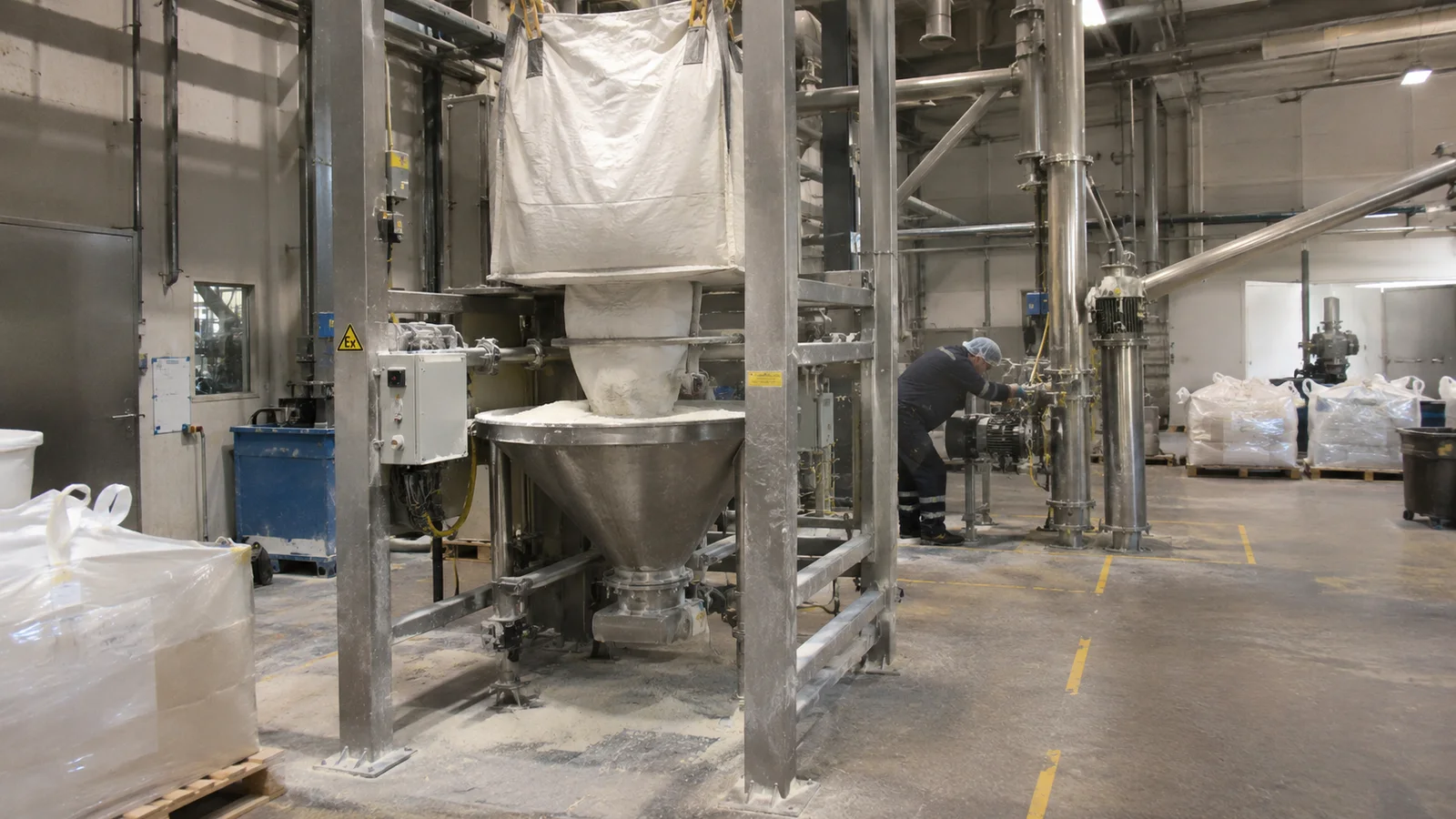
- build in HSSE risks from the start, such as ATEX zones where powders are handled.
Read the case study: making an existing process reliable in the food ingredients industry →
Standards and guidelines covered
- PMBOK (Project Management Institute);
- PRINCE2;
- ISO 21502: project management;
- Lean and Lean Six Sigma;
- change control in a GMP environment.
Frequently asked questions
A project manager runs a given project. A PMO organises and monitors all the projects of a department or site: priorities, resources, schedules and reporting.
Yes. We start with a quick review (scope, schedule, budget, risks), then put governance and a realistic recovery plan back in place.
Yes, from defining needs to start-up, including equipment qualification in regulated environments.
Yes. We adapt the approach to the size of the company, for example with a Lean approach focused on the main flow.
Our project management case studies
LET’S TALK ABOUT YOUR PROJECT
An industrial project to frame or get back on track?
Let’s discuss your project: governance, scheduling, industrialisation and Lean.